Imagine this: a perfectly executed pyramid, a crowd roaring, and a feeling of pure exhilaration. For cheerleaders, this is often the highlight reel. But beneath the dazzling smiles and gravity-defying stunts lies a demanding world where physical prowess is only half the battle. The other, often less visible, half? Mental fortitude. Navigating the intense pressures of practice, competition, and team dynamics requires a robust approach to cheer mental health. It’s not just about surviving; it’s about thriving.
For too long, the conversation around cheerleading has focused almost exclusively on the physical. We celebrate the strength, flexibility, and endurance. Yet, the psychological toll – the anxiety before a big competition, the self-doubt after a missed stunt, the pressure to maintain a certain image – is just as significant. This is where understanding and actively nurturing cheer mental health becomes paramount. It’s the invisible foundation upon which every successful routine is built.
Beyond the Trophy: Why Mental Well-being is Non-Negotiable
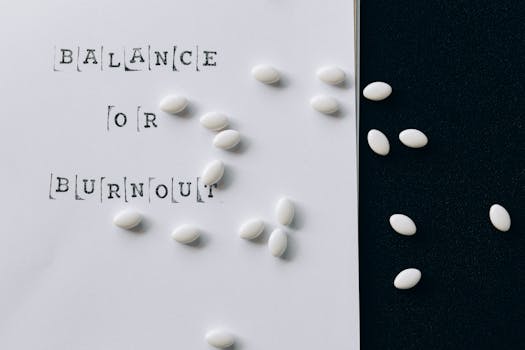
The drive to be the best is inherent in competitive cheerleading. This ambition, while admirable, can also be a double-edged sword. The constant pursuit of perfection, coupled with the inherent risks of injury, can create a breeding ground for stress, anxiety, and even burnout. Ignoring these psychological aspects is like building a magnificent structure on shaky ground; it’s bound to falter.
Performance Anxiety: The fear of failure can be paralyzing. Knowing thousands are watching, or the weight of team expectations, can amplify nerves to an unbearable level.
Body Image Pressures: Cheerleading often involves specific aesthetic expectations, which can lead to disordered eating patterns or body dissatisfaction.
Team Dynamics & Social Pressures: Navigating friendships, rivalries, and coach relationships can be emotionally taxing.
Injury Recovery: The mental struggle of rehabbing an injury, fearing a return to the mat, or dealing with the loss of training time is substantial.
These aren’t minor inconveniences; they are significant barriers to both performance and overall well-being. Proactively addressing them isn’t a luxury; it’s a necessity for long-term success and happiness in the sport.
Building Resilience: Strategies for a Stronger Mind
Just as cheerleaders condition their bodies, they must also train their minds. This involves cultivating a toolkit of strategies to manage stress, build confidence, and foster a positive mindset. It’s about developing an inner resilience that can withstand the inevitable challenges.
#### The Power of Positive Self-Talk
What we say to ourselves matters. Replacing critical inner monologues with encouraging affirmations can dramatically shift perspective. Instead of “I’ll never land that stunt,” try “I’m practicing diligently, and I’m getting closer.” This mental reframing is incredibly powerful in building confidence.
#### Visualization Techniques for Success
Athletes have long used visualization. Before a routine, close your eyes and vividly imagine yourself performing flawlessly. Feel the movements, hear the music, see the perfect execution. This mental rehearsal primes your brain and body for success, reducing the surprise factor and easing nerves. It’s like a practice run for your mind.
#### Setting Realistic Goals: Beyond Just Winning
While winning is the ultimate aim, breaking down larger goals into smaller, achievable steps can prevent overwhelm. Focus on mastering a specific technique, improving a certain aspect of your form, or completing a practice session with positive energy. Celebrating these small victories builds momentum and reinforces a sense of progress. I’ve often found that athletes who focus on process over outcome tend to experience less pressure and more sustained enjoyment.
When to Seek Support: Recognizing the Signs
Sometimes, despite best efforts, the pressures become too much. Recognizing when you or a teammate needs extra support is a sign of strength, not weakness.
Persistent Changes in Mood: Feeling unusually down, irritable, or anxious for extended periods.
Withdrawal from Activities: Losing interest in cheerleading or social interactions.
Changes in Sleep or Appetite: Significant disruptions in eating or sleeping patterns.
Difficulty Concentrating: Struggling to focus during practices or daily tasks.
Increased Substance Use: Relying on alcohol or drugs to cope.
If you notice any of these signs in yourself or a teammate, reaching out is crucial. This could mean talking to a trusted coach, a parent, a school counselor, or a mental health professional. There are resources available, and seeking help is a proactive step towards recovery and improved cheer mental health.
The Coach’s Role: Fostering a Mentally Healthy Environment
Coaches play an indispensable role in shaping the cheer mental health landscape for their athletes. Creating an environment that prioritizes well-being alongside performance is key.
Open Communication: Encouraging athletes to voice concerns without fear of judgment.
Emphasizing Effort Over Outcome: Praising hard work and resilience, not just perfect execution.
Educating on Mental Health: Incorporating discussions about stress management and emotional well-being into training.
Promoting Healthy Lifestyles: Advocating for balanced nutrition, adequate sleep, and rest days.
Referring When Necessary: Knowing when to direct athletes to professional mental health support.
A coach who champions mental well-being can make a profound difference, transforming a competitive team into a supportive community.
Conclusion: The Heart of the Cheer Routine
Ultimately, cheer mental health is not a separate entity from athletic performance; it’s an integral component. By equipping cheerleaders with the tools to manage stress, build resilience, and seek support, we empower them to excel not just on the mat, but in all aspects of their lives. It’s about ensuring the passion for cheerleading leads to lasting fulfillment, not burnout.
So, how will you actively invest in your mental well-being or that of your team this season?